
The Complete “wedding dress shopping” guide
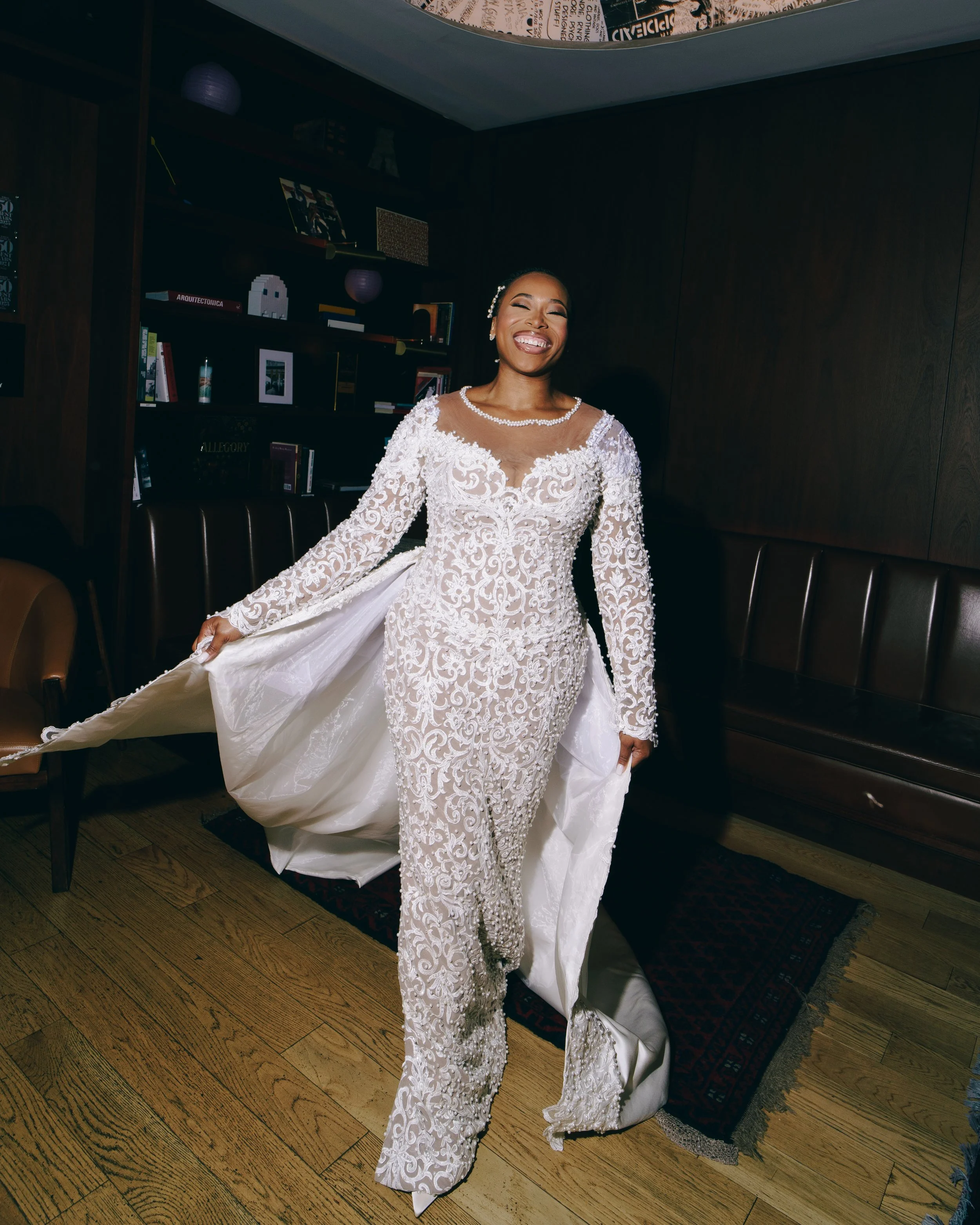
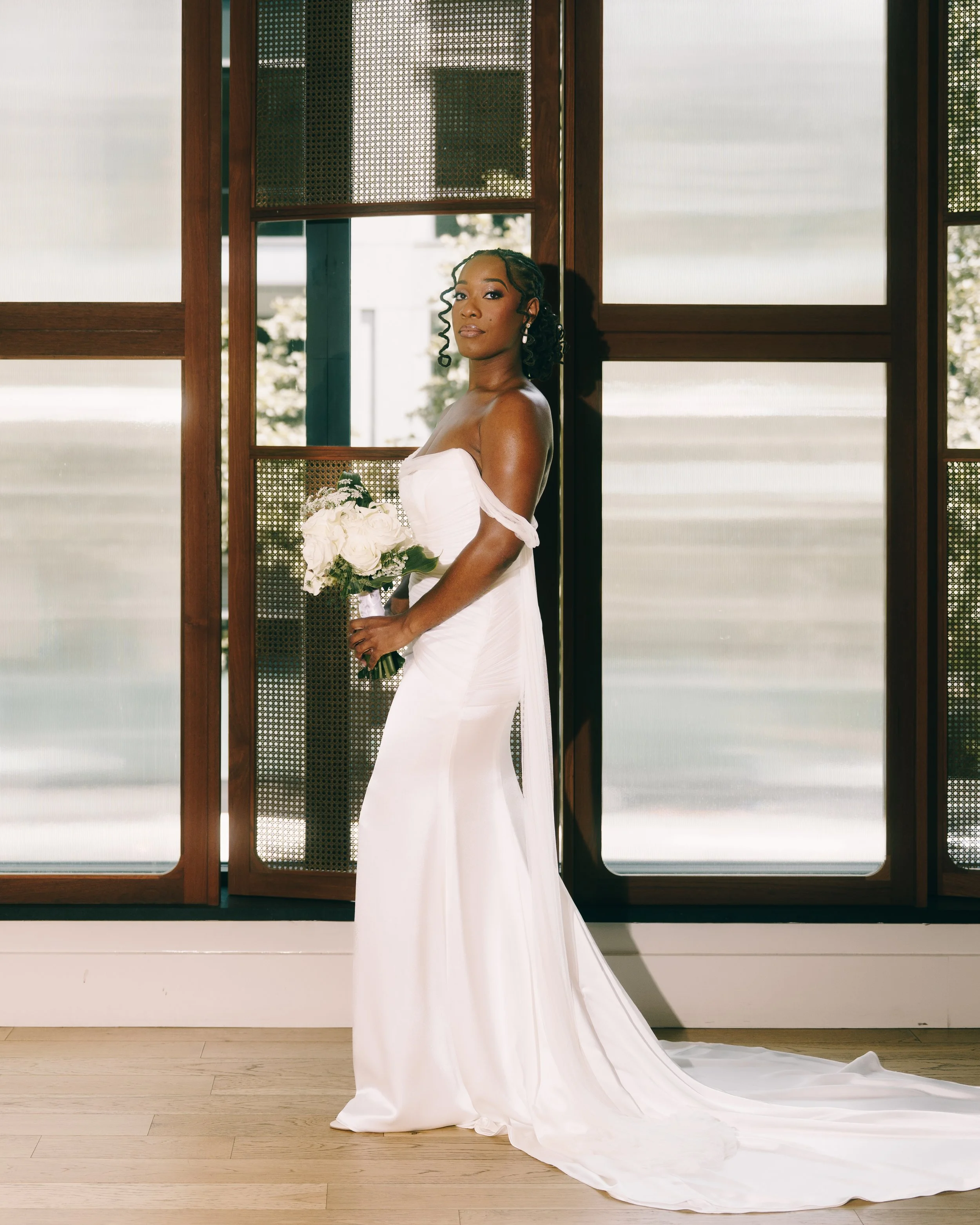
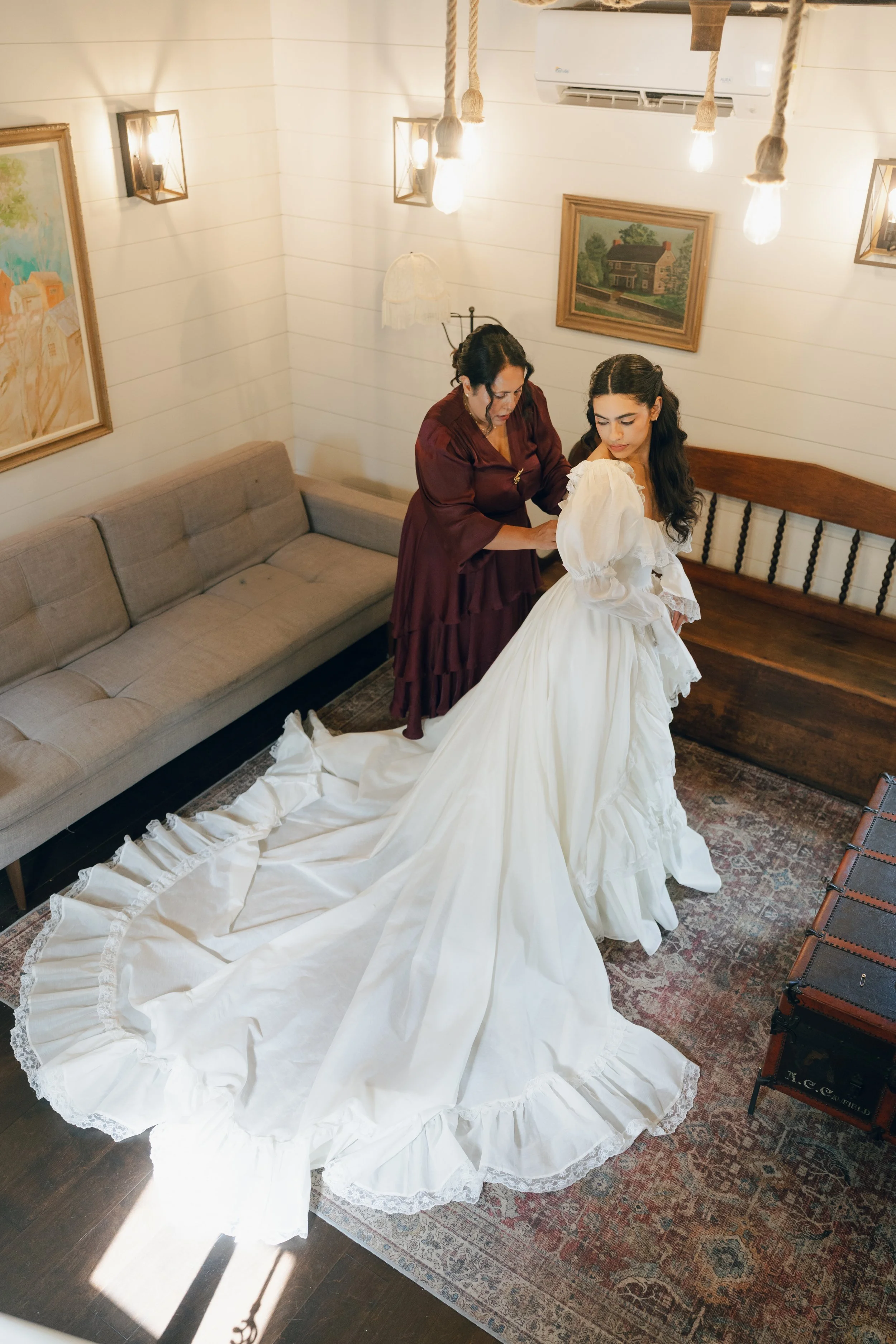
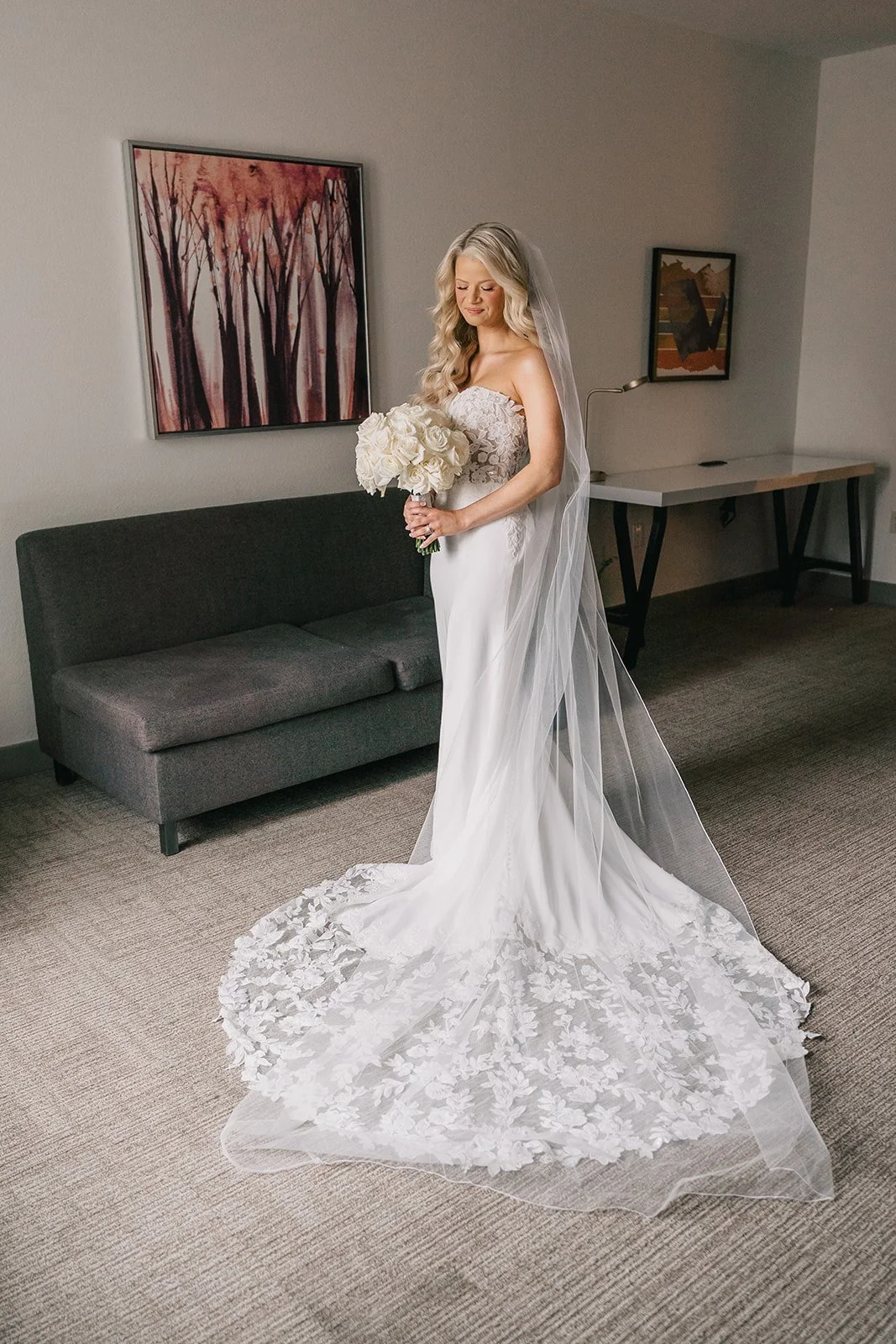
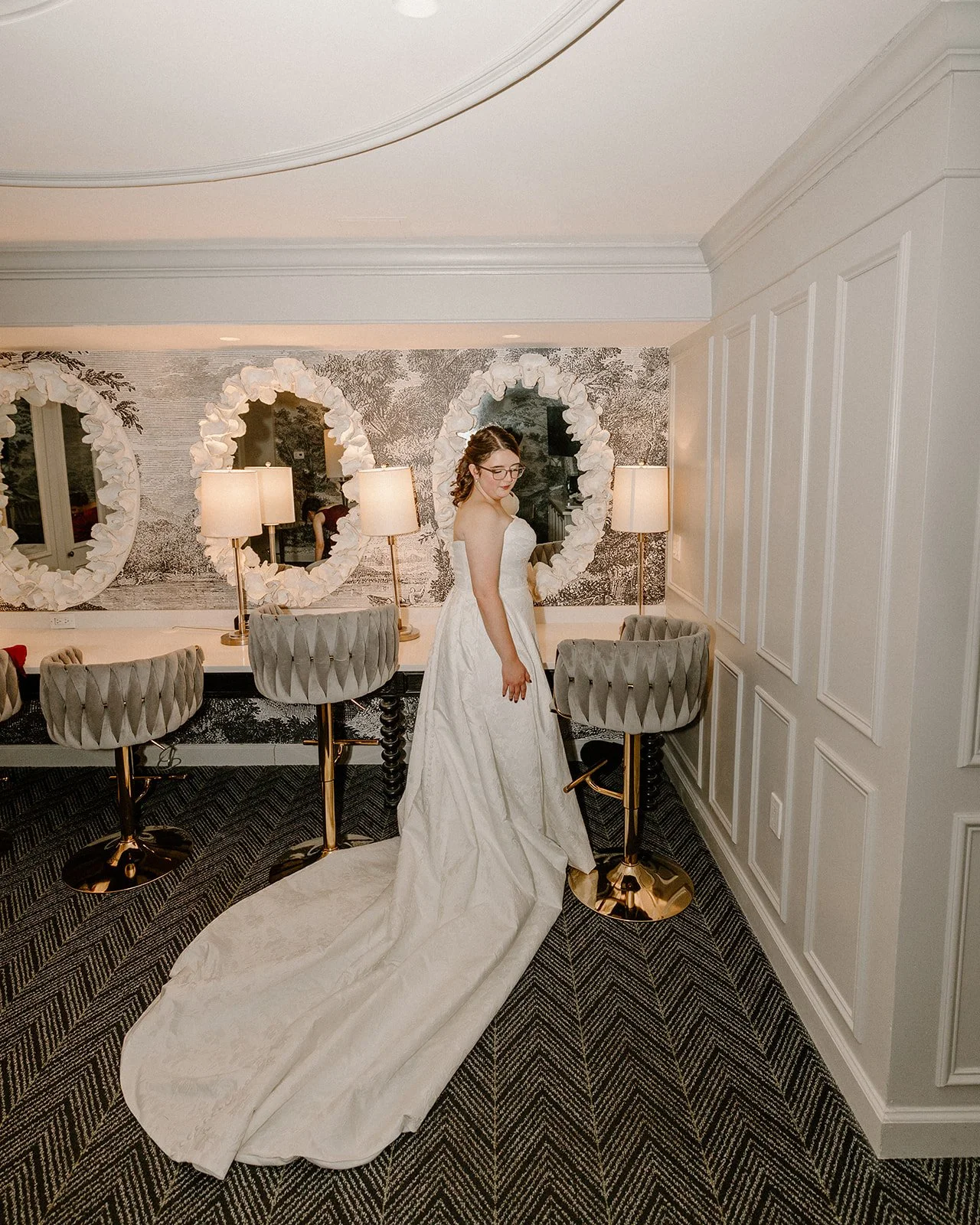
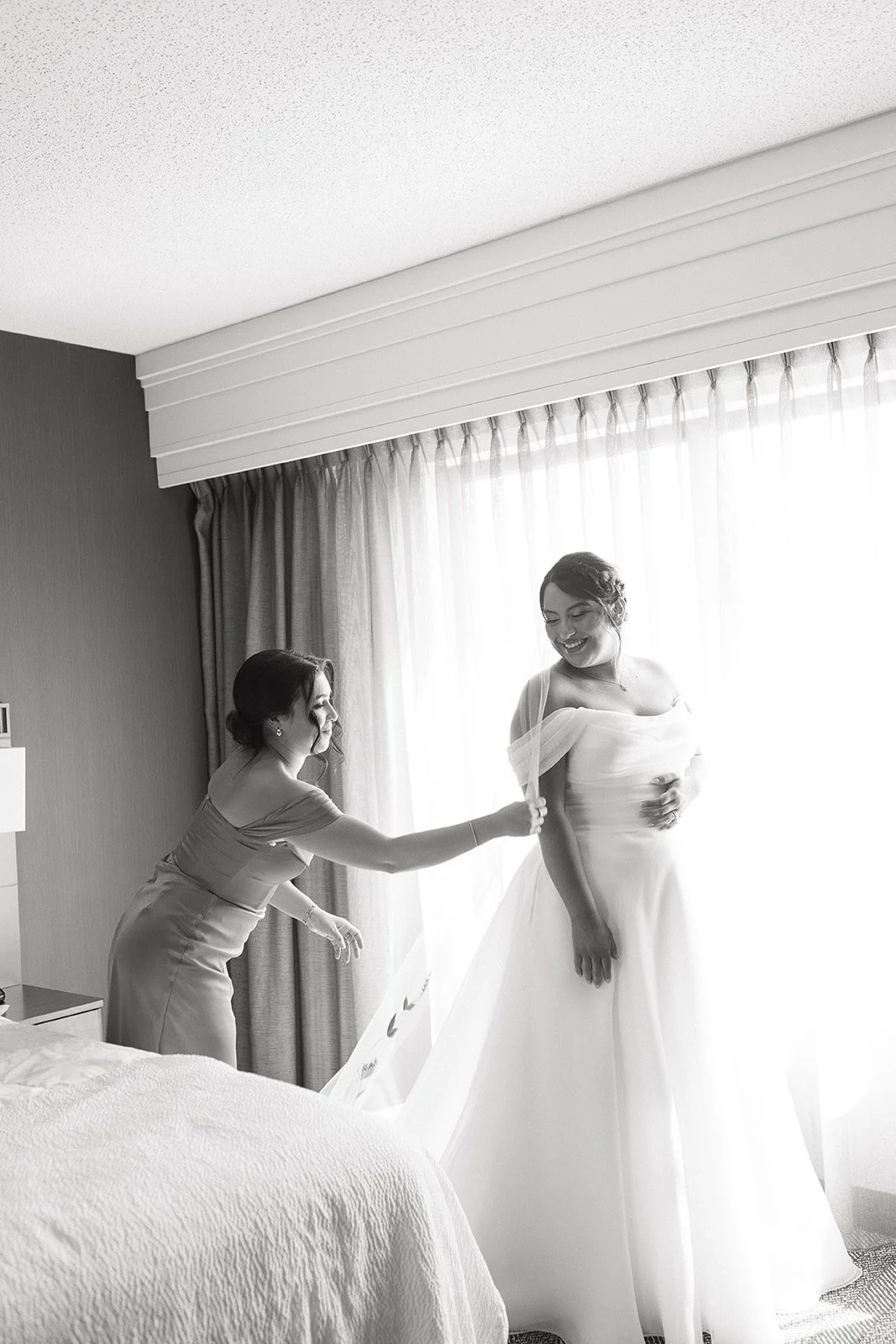
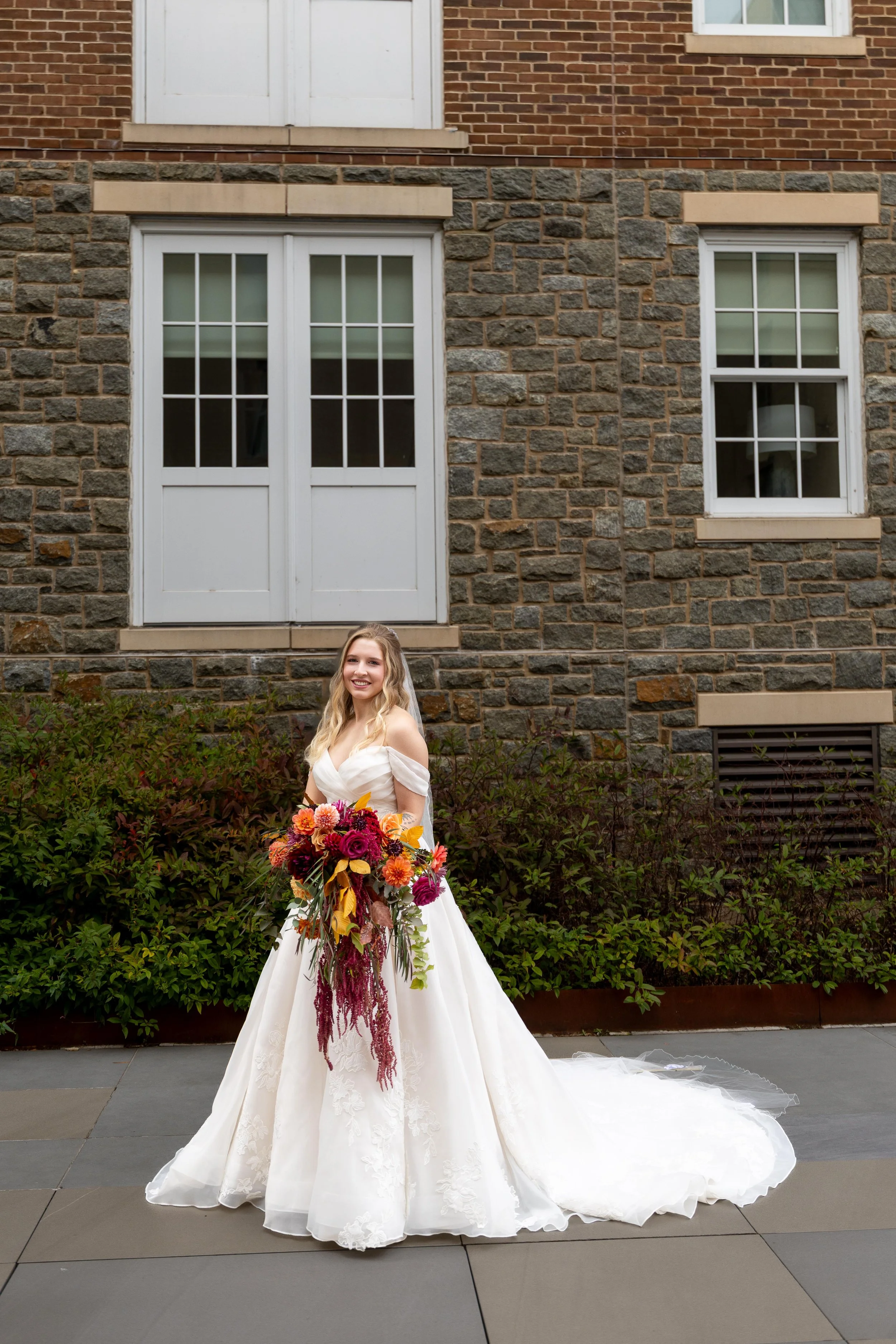
Photos by: Paperbird Photography, Steve Johnson Photography, Ethan Wong Photography, Zaida Gonzalez Photography, Isabel Bracho Photography, Villa Li Photography
First off, CONGRATULATIONS!
If you’re reading this, you’re likely about a year out from wedding day, where your wedding vision & ideas are slowly starting to form and come together. One of the very first milestones most brides & their entourages look forward to? Wedding dress shopping!
But with millions of gowns, thousands of boutiques, and hundreds of designers, it can quickly feel overwhelming. How do you narrow it all down and still enjoy the experience?
In this guide, I’ll walk you through:
How to choose the right bridal boutiques
What to know about designers and pricing
How alterations actually work
Where to save money (without sacrificing the gown of your dreams)
And the ideal timeline for buying your wedding dress
The goal? To help you walk into dress shopping feeling informed, confident, excited, and stress-free!
Understanding Designers (and Budgets!)
One of the biggest misconceptions about wedding gowns is that “designer” automatically means “out of budget.” The truth? There is a designer for every price point. The most common price range for a wedding gown in 2026 is between $2,500 - $10,000, with plenty of room for it to be lower or significantly higher than this price range.
Here’s a general breakdown to help you understand where certain designers typically fall (pricing can vary by gown):
Entry to Mid-Range Designers
Jenny Yoo, Justin AlexanderMid-Range Designers
Mori Lee, Stella York, Essence of AustraliaUpper Mid-Range / Couture-Inspired
Martina Liana, Hayley PaigeLuxury & High Fashion
Pnina Tornai, Galia Lahav, Zuhair Murad, Oscar de la Renta
Knowing your realistic dress budget (and being honest with your stylist) will help them guide you toward gowns that fit both your vision and your finances.
Bridal Sizing vs. Street Sizing (What to Expect)
One of the biggest surprises for many brides is that bridal sizing is not the same as street sizing. Most of the time, unfortunately, it’s not even close!
In most cases:
Bridal gowns run 1–2 sizes larger than your everyday clothing
A street size 6 may need to order a bridal size 10 or 12.
The number on the tag is not a reflection of your body; it’s simply an unfortunate industry standard
Stylists will take professional measurements and recommend a size based on the designer’s specific size chart. This ensures there’s enough fabric for alterations and the best possible fit.
✨ A gentle reminder: the goal is how the dress fits and feels, not the number on the label.
Choosing the Right Bridal Boutiques
Before you ever step into a fitting room, deciding where you’ll shop is just as important as deciding what you’ll try on. Here are a few things to consider when selecting your bridal boutiques:
Appointment Fees
The closer you are to a major city, the more likely boutiques are to charge appointment fees—typically anywhere from $20 to $100 per appointment.
If you don’t find your gown in your first few visits, these fees can add up quickly before you’ve even placed a deposit on a dress. My advice?
Research boutiques thoroughly
Prioritize shops that carry designers you truly love
Limit yourself to 2–3 well-chosen appointments at a time
Quality over quantity will win here every single time!
Sample Sizes That Work for You
One of the most overlooked, but most important, parts of dress shopping is finding a bridal boutique that carries a variety of sample sizes for brides to try on.
Bridal boutiques typically carry sample gowns in a limited size range, often around a bridal size 10–12 (which is closer to a street size 6–8). If a boutique does not carry samples anywhere near your size, it can be much harder to envision how a gown will truly look and feel on you.
Before booking an appointment:
Ask what sample sizes they carry
Ask if they regularly fit brides in your size range
Ask whether they use clips, panels, or extenders during try-ons
A good boutique will be transparent and welcoming, and will help you feel supported during the process. Feeling confident in the fitting room makes a huge difference in decision-making.
The entourage: Why You Should Limit Who You Bring to Dress Appointments
Once you’ve decided on your main designers and which boutiques you’ll visit, selecting who will join you in such a momentous occasion can be tricky. It can be tempting to invite everyone who loves you to your dress appointment like mom, sisters, friends, future in-laws; but more people doesn’t always mean more support.
In fact, bringing too many guests can quickly lead to:
Conflicting opinions
Over-analysis
Second-guessing your own instincts
Feeling pressured to please others instead of yourself
When you’re trying on wedding gowns, your voice matters most. The right dress should speak mainly to you, not to the group. In addition, ultimately it is a beautiful moment when they get to see you down the aisle for the first time so keeping that as an element of surprise is also special!
Who Should You Bring?
I recommend bringing 1–3 trusted people, ideally those who:
Know your style well
Are honest but kind
Can give feedback without overpowering your opinion
Will support your vision, even if it’s different from theirs
Often, the most successful appointments are the quietest ones.
Why Fewer Opinions Are Better
Wedding dresses are emotional purchases. Too many reactions can cloud your judgment and make it harder to hear your own intuition. By no means do I believe you should go through the process alone, although I know of some people who have gone to their first appointments alone.
Stylists also work best when they can focus on you and your reactions, rather than managing a large group with competing preferences.
✨ Remember: you’re allowed to keep this moment intimate. You can always include others later through photos, videos, or a celebratory follow-up appointment.
Consider Solo Dress Shopping for your First Appointment
Some brides opt for doing their first visit to scout wedding dress boutiques on their own, before including family & friends. It is a good way to put out some feelers of places where you’d like to come back to have the full experience. BEWARE: While this is a good idea for most people, you may find your perfect wedding dress on the first try. If you’re okay with finding it on your own, then proceed!
Alterations: Why They Matter
Alterations are most certainly not optional, they are what transform a beautiful dress into your dress.
Many boutiques strongly recommend (or require) that alterations be done in-house, and there’s a good reason for that. When your gown is altered at the same boutique where it was purchased:
They have direct relationships with designers
They can source replacement lace, fabric, or appliqués if needed
The seamstress is already familiar with how that gown is constructed
This can make a huge difference in fit, finish, and peace of mind.
💡 Pro tip: Alterations are usually not included in the gown price, so be sure to factor that into your overall dress budget.
Alterations Timeline & What to Budget
Alterations are where your gown truly becomes your gown, and they should be planned for just as intentionally as the purchase itself.
Typical Alterations Timeline
Here’s what most brides can expect:
First fitting: About 8–12 weeks before wedding day
Second fitting: 4–6 weeks before
Final fitting: 1–2 weeks before the wedding
This timeline allows for fine-tuning, weight fluctuations, and comfort adjustments—especially for long wedding days.
How Much Do Alterations Cost?
Alterations vary depending on the gown’s structure, fabric, and the changes needed, but as a general rule:
💰 I recommend brides budget approximately $1,000 for alterations.
This can include:
Hemming (especially costly with lace or multiple layers)
Taking in or letting out the bodiceBustle creation
Strap or sleeve adjustments
Updating the cup sizes
Customizations like cups, corsets, or added support
More intricate gowns or significant resizing can increase costs, which is why having a buffer in your budget and in your alterations timeline is key.
Where Should I Get My Gown Altered?
My biggest tip & recommendation would be to get the dress altered at the same boutique where you bought your wedding dress. The reason being that these boutiques have great relationships with the designers and are able ask for additional fabric or fix mistakes easier, giving you an additional layer of peace of mind!
How to Save Money on Your Wedding Dress
Yes—you can save money on your gown if you know where to look.
Trunk Shows
Trunk shows are special events hosted by designers at select boutiques, where additional gowns are brought in for a limited time.
Why they’re great:
Often include ~10% off your gown
Offer access to styles not normally carried in-store
If you fall in love with a particular designer, visit their website and check for upcoming trunk shows in your area—it’s one of the easiest ways to save.
Sample Sales
Sample sales are hosted by boutiques to sell floor samples that are:
Discontinued
Out of season
Or simply making room for new inventory
You purchase the gown as-is, but many are in excellent condition and heavily discounted. Just note:
You’ll need to pay in full at the time of purchase
Alterations are still required
For the right bride, this can be an incredible deal.
Call Nearby Certified Retailers
Most people do not know this, but not every single boutique has the same gown listed at the same price at their boutique. If you fall in love with a gown at a boutique from a particular designer, go online and do the following:
Check on the website to see if the dress is discontinued
This will determine whether you’re able to order the gown or whether you have to buy it off the rack
Check all of the certified retailers for that designer in your living radius.
Call all of those boutiques and retailers with the style number to ask for availability & price.
Some places may have it for a bit lower than other boutiques, or they may have a good quality sample in your size that they can sell you off the rack
This is a good additional way to ensure you’re not overpaying for your wedding dress, guaranteeing the exact same gown you’re in love with, at the best price in your area!
Shop in Sales Tax-Free States
If you are looking for the absolute best savings on your wedding dress, and you don’t mind driving a little further, shop out of state. We’re based in the East Coast and places like Delaware, where there is no sales-tax, could save a few additional hundred dollars when shopping for your wedding gown. In addition, states like Pennsylvania or New Jersey, where there’s no tax on clothes could also benefit you when shopping for a gown. Below a list of states where you can shop sales tax-free for your wedding gown:
Completely tax-free states (best options)
Delaware
Oregon
Montana
New Hampshire
Alaska* (no state tax, but some cities add local tax)
States that broadly exempt clothing (usually tax-free)
New Jersey
Pennsylvania
Minnesota
Vermont
Rhode Island (tax only applies above a price threshold)
Massachusetts (tax applies above a price threshold)
New York (tax applies above a price threshold)
✨IMPORTANT NOTE: This tip only applies to your wedding gown and likely not other wedding accessories like your veil, earrings, headpiece, bracelets, shoes, or other garments.
The Ideal Timeline for Buying Your Wedding Dress
Timing matters more than most brides realize.
When you order a gown:
You typically only need to pay a deposit, not the full amount
Production can take 6–9 months, sometimes longer
Rush fees can be costly
The sweet spot for purchasing your gown is 10–12 months before your wedding day. This gives you plenty of time for:
Production
Shipping
Alterations
Any unexpected delays
If you purchase a sample gown, keep in mind you’ll need to pay the full cost upfront, but you skip the production timeline entirely.
Final Thoughts
Wedding dress shopping should feel joyful, empowering, and memorable; not overwhelming! A little preparation & research will go a long way, and understanding the process ahead of time allows you to focus on what truly matters: finding a gown that feels like you!
If you have questions along the way, don’t be afraid to ask your planner, stylist, or trusted support system; we’re here to help guide you every step of the way!
Happy Shopping!
